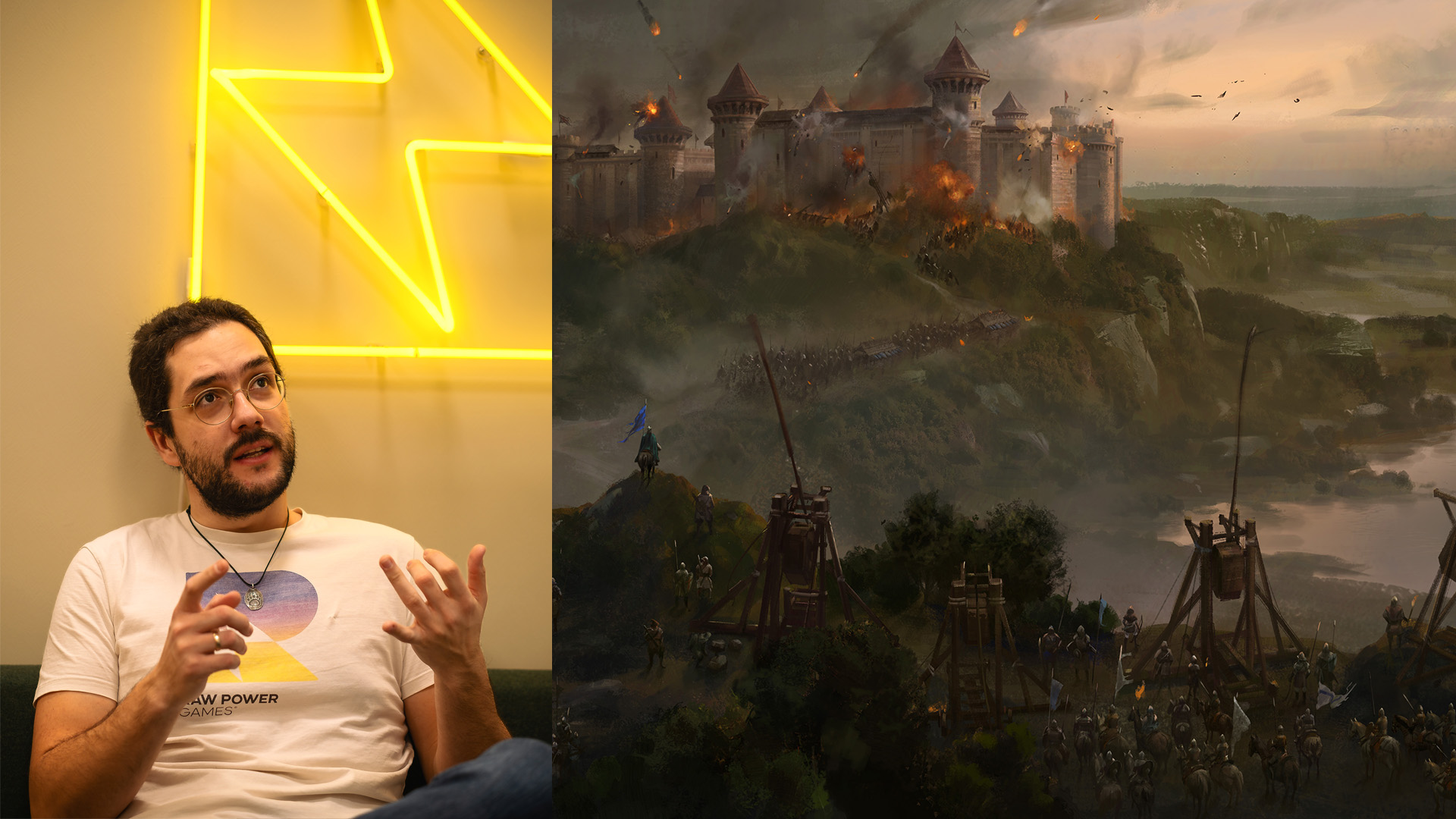
Developer Diary #1
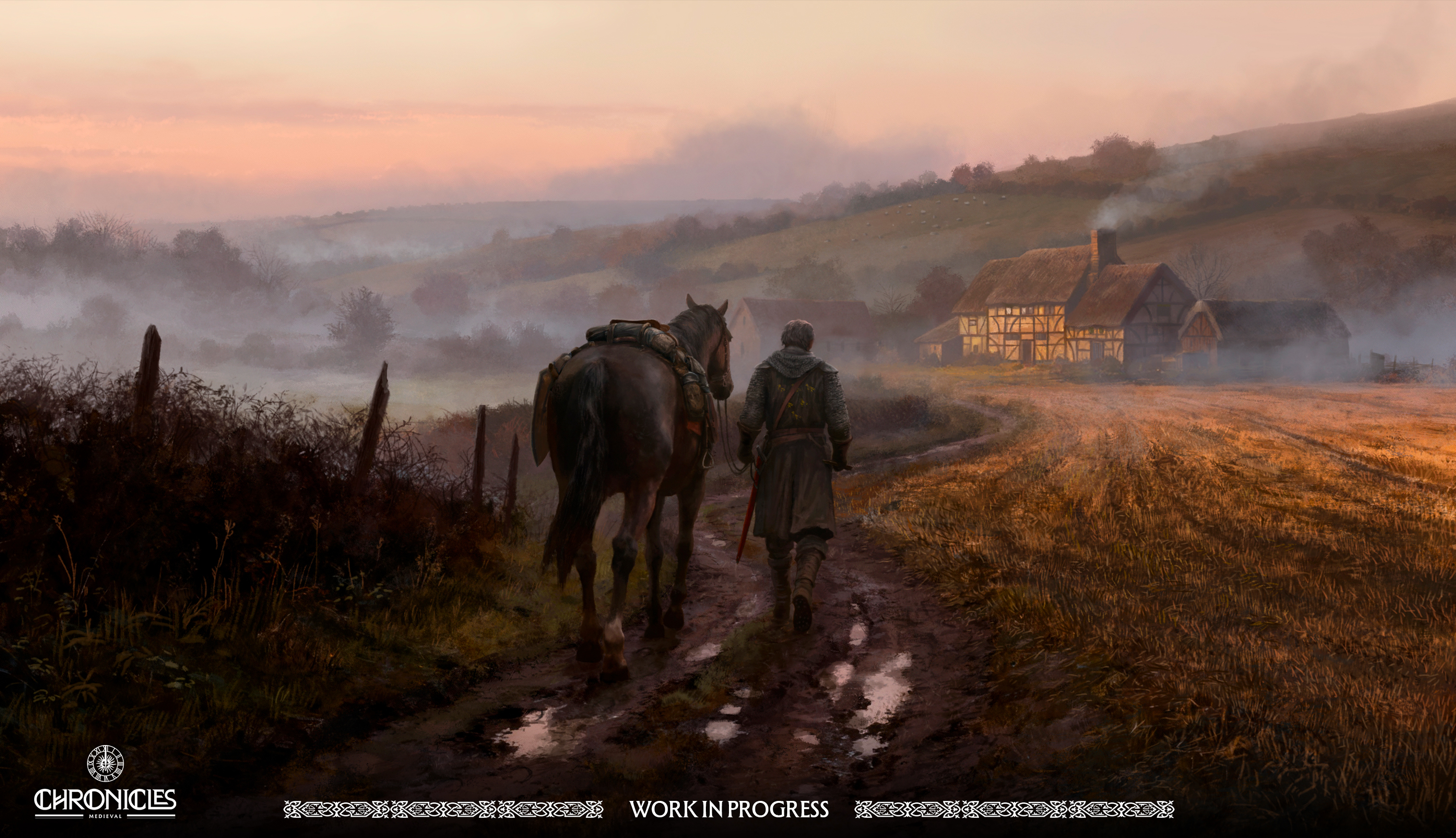
Hello there! This is the first in what will be a regular series of developer diaries, where we want to give you a deeper look into what we are making, why we are making it the way we are, and what we are learning along the way. We will not always have everything figured out, and we want to be transparent about that, too.
In this first dev diary, our Lead Producer Sam will give you a clearer understanding of what Chronicles: Medieval is all about. From our grand vision to Early Access and beyond, we want to share the full picture of what this game will become.

_
Hello everyone! Sam Millen, Lead Producer here. I have the pleasure of being first up to share with you more about what we are building, and all the exciting things we have cooking.
So, what is Chronicles Medieval? At its heart, Chronicles: Medieval is a sandbox RPG set in medieval Europe during the fourteenth and fifteenth centuries. We are aiming to build a world of war, trade, diplomacy, politics, and ambition. A world that functions and breathes regardless of what you do, where kings fall and rise, where besiegement and caravan attacks can affect the price and availability of grain, where a reputation built over years can unravel in an afternoon. You are not the centre of that world. You are a part of it, and what you do within it is all up to you.

Our Four Pillars Roughly four years ago when our studio was founded, we aligned on the four game pillars that define what Chronicles: Medieval needs to be. These pillars have stayed mostly unchanged since this journey began.
The first pillar is the dynamic sandbox. We want a world built from interlocking systems that feel like they follow real logic. Not scripted sequences pretending to be emergent, but actual cause and effect running through everything. From the price of fish in a market town to the loyalty of a liege lord or vassal. When things happen in Chronicles: Medieval, there should be a reason, and you should be able to trace it. The concept of causality e.g. that A leads to B, is important for us. This means that if the player has the understanding of the game world and the knowledge that something has happened or could happen, then the player may manipulate or exploit these events to their own benefit.

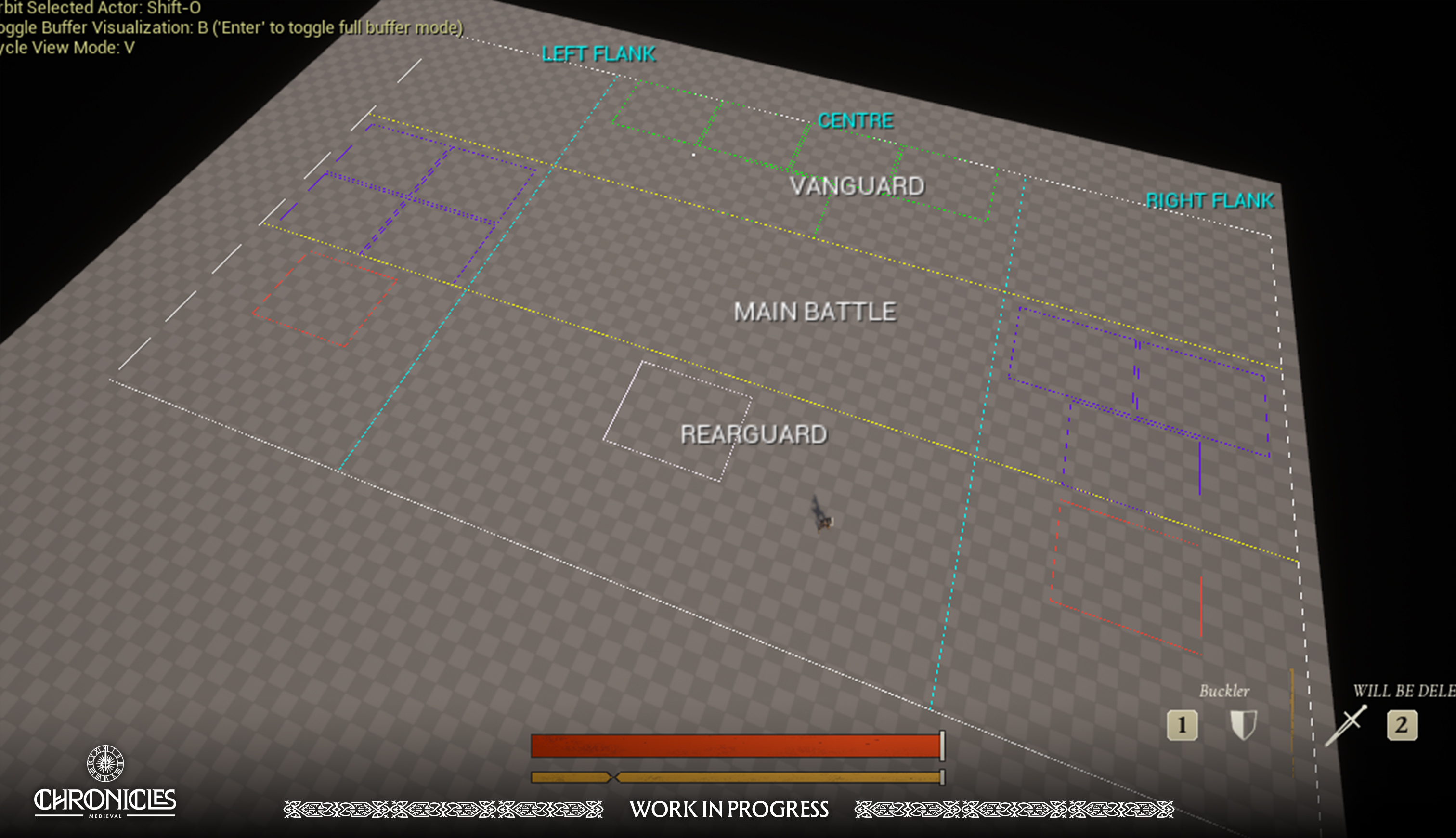
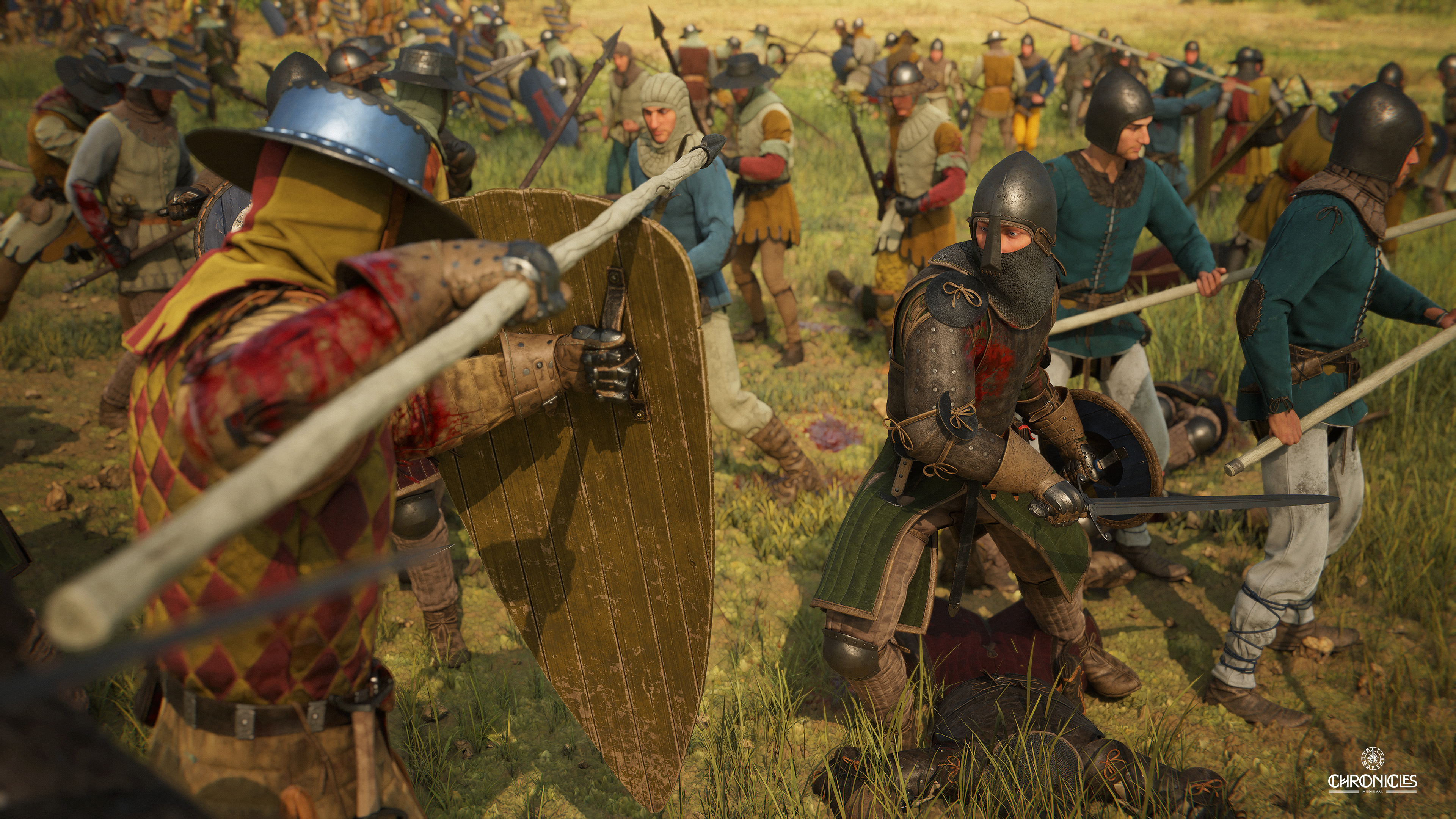
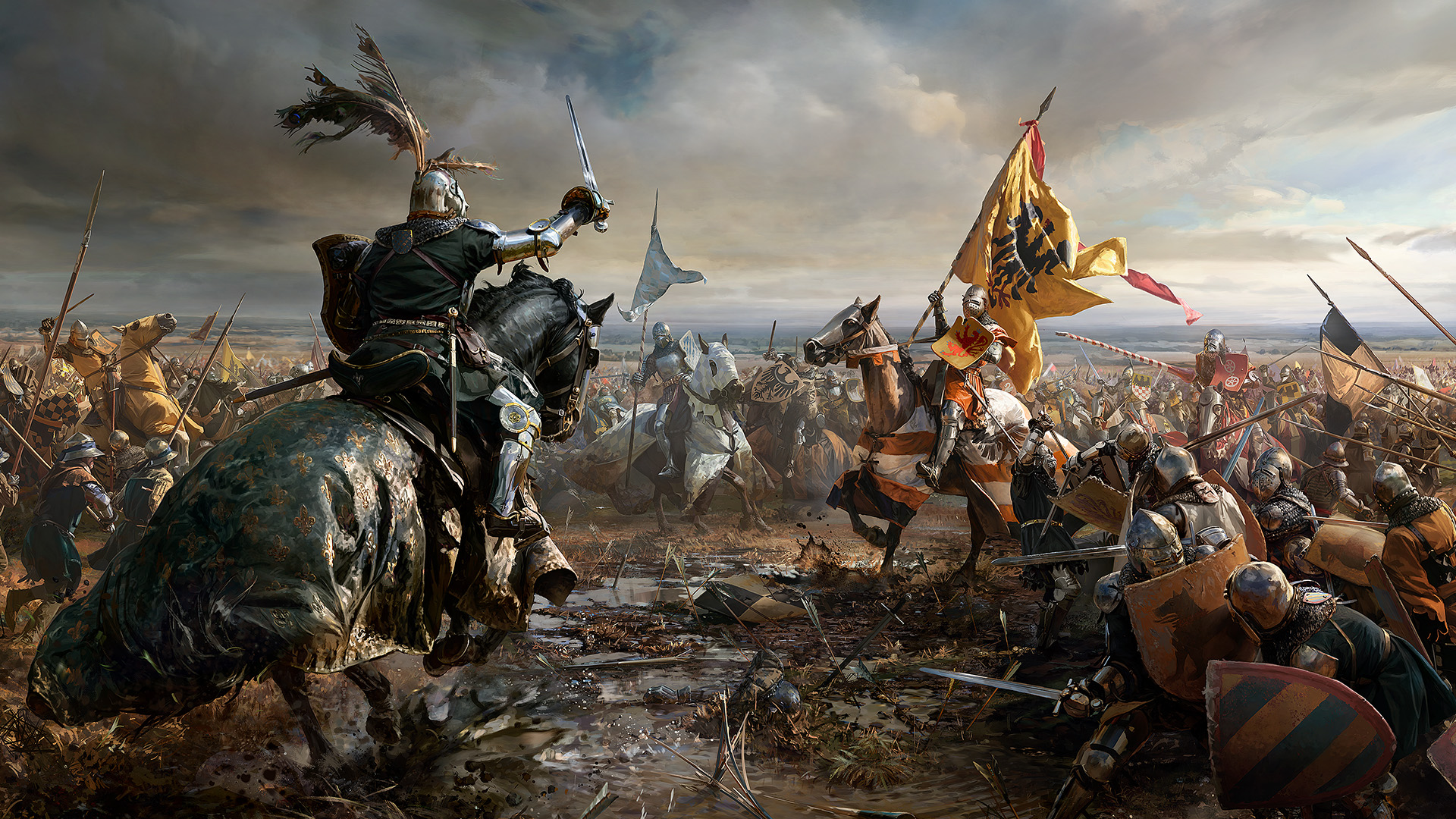
The second pillar is Tactical Battles. We want battles in Chronicles: Medieval to be large, brutal and spectacular. Both the battlefield itself, the composition of your army and how you deploy it will matter. We want battles where decisions outweigh sheer numbers, where a smaller force can win by correctly using what advantages they might have, and a larger one can fall due to poor judgment or impatience. The AI needs to be capable of fighting meaningful battles with or without the player's direct involvement. That is a high bar, and we are working hard to meet it.
At the same time, the player’s role is not only that of a tactician. The player takes part directly in combat, fighting in 3rd person alongside their units. Skillful 1v1 combat feeds into nearby unit morale, which propagates through nearby formations and may turn the tides of a battle. This way the local skillful actions of a player leading from the front has a ripple effect and makes the player a meaningful presence.
Large scale battles is one of the main focuses for Early Access. It’s something we want to have as epic, immersive and rewarding as possible.

The third pillar is mod support. We are building Chronicles: Medieval with the modding community in mind from the ground up, not as an afterthought. In previous updates, we introduced you to Borg, our settlement generator, but that is only the tip of the iceberg. Modders extend the life of games we love, and they often take them to places the original team never imagined. Our ambition is to give modders access to the same or very similar tools which we use to create content for Chronicles: Medieval. We’ve been working closely with a group of experienced modders from the very beginning, because it’s important to us to build things right. Their knowledge and hands-on experience with modding have been incredibly valuable in helping us build a stronger foundation for the game. Modding tools will not be available from day one, we expect this to be fully released by 1.0, with some earlier roll outs and test periods throughout Early Access. We look forward to seeing what the mod community will do with our game.

The fourth pillar is co-op play. When we go into Early Access, we will have a single-player campaign mode and co-op custom battles (for up to 4 friends to play together). The latter allows players to team up, strategize and face off against a hostile army together. However, we have designed and built the campaign mode architecture with co-op in mind. Our long-term ambition for the 1.0 release is to introduce co-op campaign play, allowing players to invite their friends to play together. While the specifics of the co-op play are still being finalized, you can assume that the player host acts as the party leader, with additional players joining to take on supporting roles. That being said, we want to be clear that dedicated servers with match-making, server browsers, and large PvP battles are not our focus for Chronicles: Medieval.
Our Five Design Principles
The first design pillar is what we call the Wheel of Time. Life and death are cyclical in Chronicles: Medieval. Resources are finite. Characters age and die, from beggars to kings. What one generation builds, the next may squander or inherit. We want you to feel that weight during play and also observe this in the world around you.

The second is that Information is Power. You will not start the game with a fully explored map with all points of interest marked. Instead, you need to explore and obtain information about the world. You will collect information about regions, factions, and characters, which may aid you. You are also not omnipresent and cannot maintain real time information about distant places you cannot see. This information, or lack thereof, plays a crucial role in your decision making.
The third is what we call Sidetracking Through Opportunities. We are not building a game that funnels you along a critical path, but instead a sandbox experience where you pick your own path. That being said, we know that an empty sandbox is just an empty sandbox. A sandbox where all the content is hidden away and inaccessible to the player is really wasted content. So we seed the world with things that invite you off your intended course. A rumour you overhear at an inn, a stranger on the road, a banner you do not recognise on the horizon. Whether you follow those threads is entirely your choice. This is something we’ll be putting more focus on after Early Access as we work toward the 1.0 release.
The fourth is Historical Believability. We are not making a history textbook, and Chronicles: Medieval is not a simulation. But we want it to feel grounded in how the medieval world actually worked, in its social structures, its economics, its violence, and its folklore. We’ve put a lot of effort into researching, collecting, and reviewing historical sources, always aiming to strike a balance between authenticity and what feels fun, educational, and engaging. We’ve also licensed a range of fascinating books on medieval Europe, and we work closely with both an external historian and our in-house HEMA practitioner to add that extra layer of authenticity and detail. When we take liberties, we try to do so thoughtfully, so while we could kill off the player character during character creation and justify it from a historical perspective, we will leave that to modders to add in later.
The fifth is the Dynamic Environment. The world and the simulation runs whether you are watching it or not. This is perhaps the principle that influences the most decisions across the game, and it is also the hardest to execute well. But it is central to what we want Chronicles: Medieval to be. It also means that every playthrough will be unique, irrespective of the decisions the player makes. We see history (what happened before campaign start) as fact, but the future is more of a “what if”; we invite the player to help shape and influence this by interacting with the sandbox. A concrete example here would be the Hundred Years’ War, which broke out in 1337. Our game begins earlier, allowing players to influence events so that the war may break out sooner, later, or not at all.
Both the game pillars and design pillars help shape and guide the game that you will get access to play, but it is also important to stress and underline that not all of these pillars will be equally fleshed out for Early Access.
Our goal with Chronicles: Medieval is to transport you into a medieval sandbox where you can shape the medieval era and write alternate histories. Write Your Story, Forge Your Destiny.
Early Access
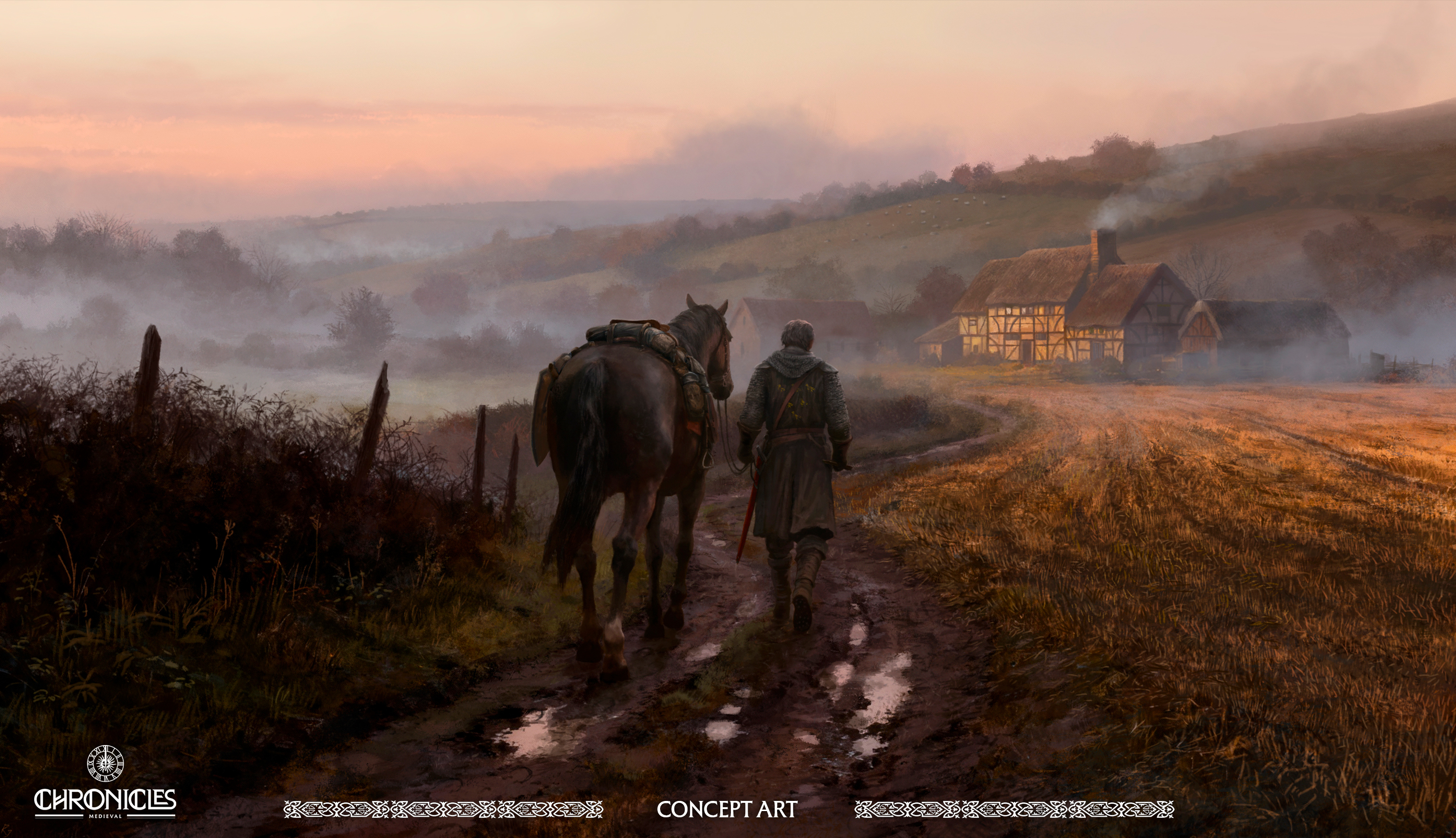
Early Access is your first chance to step into the world of Chronicles: Medieval as it takes shape. From day one, the sandbox is alive, the large-scale battles are expansive and fully playable, and the world itself is open for you to shape. You’ll be able to create your character, explore the map, and engage with the world as it begins to unfold. Our Early Access primarily focuses on the archetypal journey of a fledgling army commander. You start as a nobody and carve your way up the feudal hierarchy. Fielding large armies as a ruthless leader and seeking warfare - on your terms.
At the same time, Early Access is a work in progress. Some systems will be more polished than others, and we’ll be transparent about what’s still evolving. Early Access for us means developing the game in the open, learning from what works and what doesn’t, and using that to iterate, improve, and expand over time. And where player feedback will help us shape what comes next.
The version you play early on won’t stand still. It will grow and change in meaningful ways as we continue development, with regular updates that push the game closer to its full vision.
We can’t wait to begin this journey with you.
/ Sam - Lead Producer.
Coming Up
Over the course of this diary series, we plan to dig into specific areas of the game in much more detail. We want to talk about how warfare and diplomacy interact, because in this period, they were rarely separable. We also want to walk you through the exploration map, how it is structured, what it feels like to traverse, and how it ties everything else together. We want to get into the details of how battles are designed, from the geography of a specific battlefield to how unit types and terrain create genuine tactical decisions. Also, we want to discuss the different unit types, how they are recruited, and their general strengths and weaknesses. Additionally, we want to spend some time on the medieval world itself, on what life actually looked like in fourteenth-century France or England, because this is the foundation we are building everything else on top of.
We are deep in development, and there is a great deal we are still figuring out. But we are super excited about what we are making, and we think you will be too.
More to come!

.jpg)
.jpg)

.jpg)